


- Home page
- Departments
- Department of Anesthesiology and ...
Department of Anesthesiology and Resuscitation
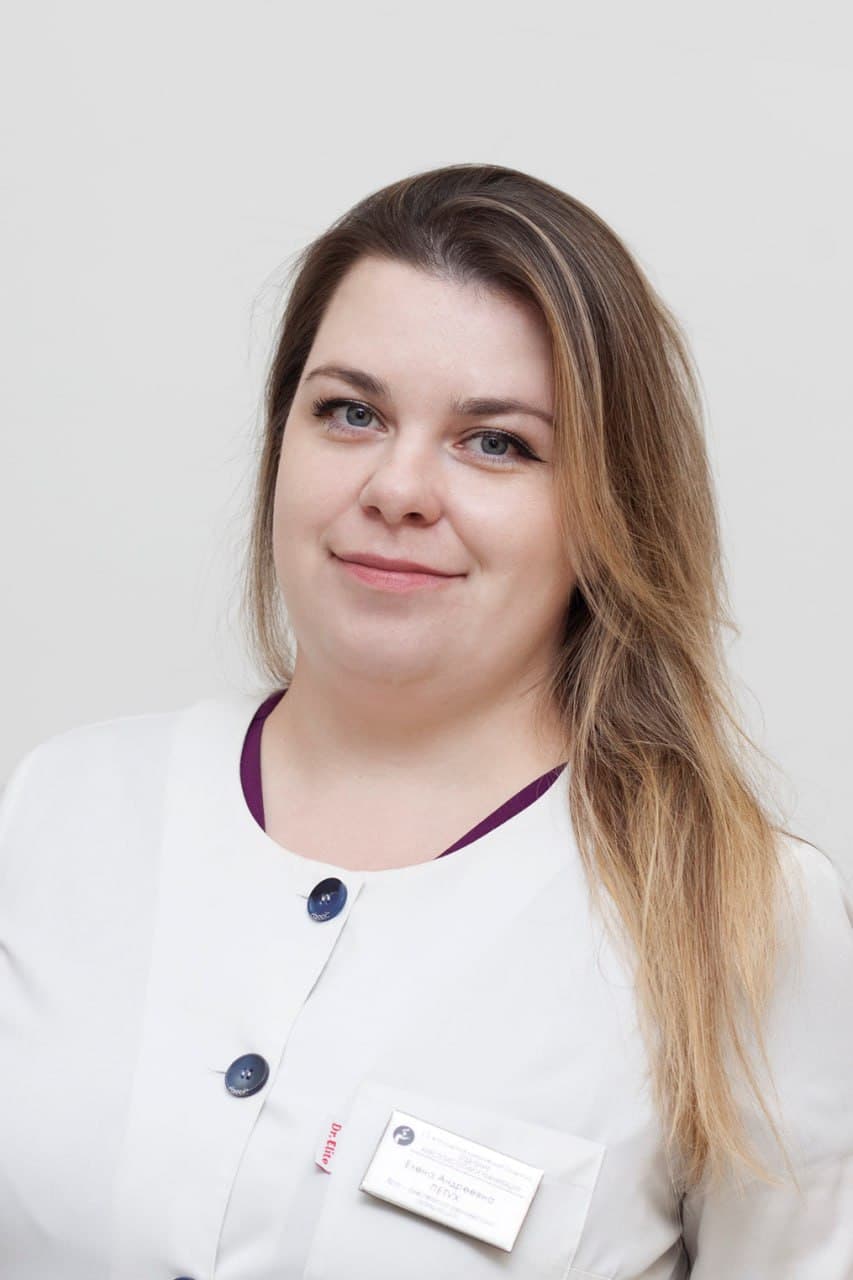
Head of Department
Rooster Elena Andreevna
Specialization
Doctor - anesthesiologist-resuscitator
Qualification Category
First category
About the department
The anesthesiology and resuscitation department with a capacity of 12 beds is located on the 2nd floor of the surgical building and is designed to provide specialized and high-tech medical care to patients with life-threatening conditions, and to provide anesthetic assistance during diagnostic and surgical interventions.
The main tasks of the department are:
- assessment of the patient's condition before surgery, participation in preparing the patient for surgery;
- administration of anesthesia, control and management of vital organ functions during anesthesia and in the postoperative period;
- implementation of a set of measures for resuscitation and intensive care in the presence of a patient with dysfunction of vital organs, as well as in the event of a threat of their development in the next 24 hours;
- carrying out therapeutic and diagnostic measures to restore and maintain impaired body functions that arise as a result of anesthesia, surgery, during resuscitation and intensive care;
- laboratory and functional monitoring of the adequacy of intensive care;
- monitoring the patient's condition after the end of anesthesia until the vital systems of the body are stabilized;
- prevention and treatment of pain and painful sensations in patients, in accordance with their somatic status, the nature and scope of the intervention;
- consulting doctors from other hospital departments on issues of resuscitation, intensive care and pain relief.
Reanimation
The department's design has been developed taking into account all sanitary and epidemiological standards, and it is possible to separate patient flows. The department also has an isolation ward for patients with suspected infectious diseases, a hemosorption ward for substitution therapy, and a modern intensive care unit. The wards are equipped with modern medical equipment of high and expert class, including bedside consoles with central supply and discharge of medical gases, central monitoring systems for monitoring vital functions, respiratory and anaesthetic breathing devices, ultrasound examination devices, functional intensive care beds with anti-decubitus systems and electrical control, devices for extracorporeal treatment methods, defibrillators, drug dosing and nutrition systems.
Multifunctional beds are designed for general somatic (cardiological, neurological, rheumatological) patients, as well as for surgical (general surgical, otorhinolaryngological, traumatological) patients during intensive preparation for surgical interventions and those who have undergone surgical treatment. The staff of the department consists of intensive care anesthesiologists who are proficient in all modern methods of intensive care and intensive care, highly qualified anesthesiology nurses and experienced junior medical staff. All this is aimed at making the stay of patients in the department as efficient as possible.
Anesthesiology
The department's doctors provide all types of anesthetic aids used in world practice. General anesthesia options include multicomponent anesthesia based on the use of inhaled anesthetics (sevoflurane, isoflurane), including low- and low-flow anesthesia technology, and various options for total intravenous anesthesia. Combined and combined options are also used for general anesthesia.
Various variants of neuroaxial blockades (spinal, epidural, spinal-epidural) are widely used in practice. During limb interventions, peripheral nerves and plexuses are blocked using modern ultrasound navigation techniques. Highly qualified intensive care anesthesiologists, after talking with the patient and conducting an examination, choose exactly the type of anesthesia that is most suitable for this patient, taking into account the specific surgical intervention and disease.
Advisory assistance is provided to the department
- Department of Anesthesiology and Intensive Care with advanced training and retraining course of the BSMU Educational Institution;
- Department of Maxillofacial Surgery and Facial Plastic Surgery with advanced training and retraining course at BSMU;
- Department of Otorhinolaryngology with advanced training and retraining course at BSMU.
History of the department

The history of the department's development began in July 1960, when anaesthetist nurse Garelik Anna Ignatievna independently performed mask oxygen-ether anesthesia on the Krasnogvardeets device, however, the intensive care unit was officially opened in January 1971. Valentin Alexandrovich Rudy became the first head of the UAR and IT.
Schedule of the clinical diagnostic laboratory
| Department / Position | Contact phone number | Opening hours / receiving calls |
| Head of Department | 270-93-30 | Calls from 14:00 to 15:00 |
| The residency program | 270-94-12 | Patient-related calls: daily from 10:00 to 12:00 and from 17:00 to 19:00. Patient visits from 17:00 to 19:00 |
| Senior Nurse | 270-93-26 | - |
| Post No. 1 | 270-60-53 | - |
| Post No. 2 | 270-60-43 | - |