- Home page
- Informing
- Hospital news
- World No Tobacco Day.
World No Tobacco Day.
23.05.2025
According to the World Health Organization, about 4 million people die every year from smoking-related diseases. In Belarus, this figure exceeds 15.5 thousand people. But despite such threatening figures, warnings from scientists, tobacco consumption has now become an epidemic all over the world, including in Belarus. According to experts, more than half of the adult population smokes in our country, and there is a steady trend of smoking among women and adolescents. The results of fragmentary surveys and questionnaires show that most people "really" start smoking at the age of 15-17, and more than 80% of smokers first tried tobacco before the age of 18. Every fourth Belarusian aged 15 and over smokes. One of the reasons for this situation is that both adults and adolescents are superficially informed about the dangerous consequences that occur over time in smokers. This is evidenced by the experience of cardiologists, oncologists, endocrinologists and other specialists working with patients who have "acquired" their illnesses due to smoking. Young people, because of their youth, do not believe that smoking is so dangerous to their health and eventually become addicted to tobacco. Those who are older in age and smoking experience are sometimes unable to cope with nicotine addiction.
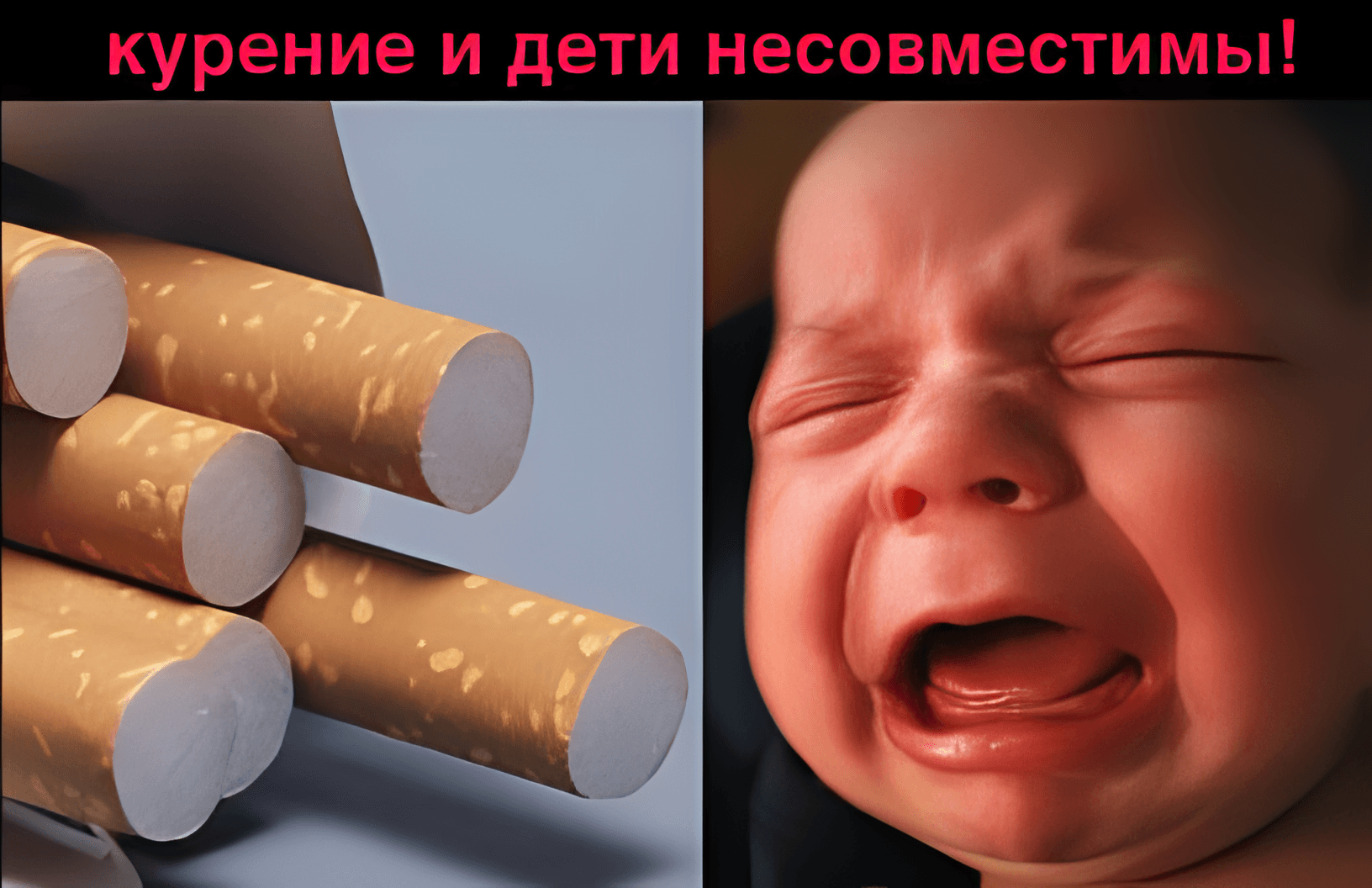
What is the danger of smoking?
Tobacco smoke contains about 4,000 chemicals, most of which poison the human body. The main ones are nicotine and carbon monoxide. Once upon a time, the toxic properties of nicotine were demonstrated in a simple and visual way: a leech given to a smoking person soon fell off in convulsions and died from nicotine-containing blood. • After the first puff, nicotine is detected in the brain tissue after 7 seconds, and in the toes after 15-20 seconds. • During life, a person who smokes a pack of cigarettes or cigarettes a day injects about 2 kg of nicotine into the body. Simultaneous administration of this amount of nicotine can kill 20,000 people. The effect of nicotine on the cardiovascular system • Under the influence of nicotine, the heart muscle works at a faster rate. The heart of a smoker makes 12-15 thousand more contractions per day than the heart of a non-smoker. Such an uneconomical mode of operation of the heart leads to premature wear and tear. At the same time, nicotine increases the tendency to cardiac arrhythmias, up to fibrillation, which can lead to sudden death. Today, smoking is considered as an independent risk factor for sudden death. • Smoking increases blood viscosity, increases lipid levels, and makes arterial walls more permeable to cholesterol. All this contributes to the formation of atherosclerotic plaques and thrombosis. Thus, smoking accelerates and rejuvenates general atherosclerosis. • A smoker is a person who smokes at least one cigarette a day. However, the harm of smoking is directly related to its intensity. Those who smoke 20 cigarettes a day suffer from myocardial infarction twice, and those who smoke more than 20 cigarettes are 3 times more likely than non–smokers. Mortality from coronary heart disease is especially high in the group of smokers who "take a drag" and among those who started smoking at an early age.
Smoking is the cause of many cancers.
It has been established that smoking is the cause of the development of one third of all malignant neoplasms. When smoking, the respiratory organs take the first blow. The temperature of a smoldering cigarette reaches 300-400 ° C, and the smoker inhales smoke at a temperature of 55-60 ° C, which contributes to the penetration of toxic and radioactive tobacco "agents" into the body. As a result, 91% of deaths from laryngeal cancer, 90% of deaths from lung cancer, 75% of deaths from chronic bronchitis and emphysema (sprains) of the lungs are caused by smoking. Scientists are inclined to conclude that smoking contributes to the development of oncological diseases such as cancer of the esophagus, pancreas, bladder, oral cavity, stomach, liver, kidney, cervix, breast, etc. Smoking and other diseases are especially harmful to smoking for women during pregnancy. The fetal blood vessels are directly connected to the mother's circulatory system, therefore, when smoking, all components of tobacco smoke penetrate through the placenta into the body of an unborn child and have their harmful effects on it. Miscarriages, bleeding during childbirth, stillborn or defective children – this is the price that a woman pays for her love of cigarettes when she decides to become a mother. In men, smoking can cause sperm deformity and DNA defects, resulting in miscarriage (miscarriage) in women and/or various congenital anomalies and defects in newborn children. Smoking can cause impotence in men. Male infertility is relatively more common in men who smoke than in non-smokers. Smoking has a detrimental effect on vision. Smokers are much more likely (up to 40% of cases) to develop cataracts. ? Ischemic disease of the lower extremities, manifested by the so–called "intermittent claudication", occurs in 14% of smokers, and only 0.3% of non-smokers. Suddenly, while walking, you feel sharp pains in your calf muscles, which makes you stop. It's your legs that are "screaming" about the lack of oxygen, because the narrowed arteries are unable to provide the necessary blood flow to the extremities. Peptic ulcer is essentially a vascular disease. In 70% of cases, it is associated with smoking. Of those operated on for perforated ulcers, 90% are smokers.
Smoking leads to premature aging.
I especially want young girls who have decided to smoke their first cigarette to hear this. Carbon monoxide, which makes up 5% of cigarette smoke, has a higher affinity for blood hemoglobin than oxygen. The methemoglobin formed during smoking reduces the amount of oxygen carried by the blood. Organs and tissues, including the skin, suffer from chronic oxygen starvation. Gradually, the characteristic appearance of a smoker is formed – a yellowish tint of the skin, whites of the eyes, nails, teeth. The skin fades prematurely, loses elasticity. The voice becomes less resonant, its timbre decreases, hoarseness appears – this is a consequence of coarsening of the vocal cords. This is how the appearance of a smoking woman becomes over time.
Smokers are unwilling.
It is not only the smoker himself who suffers from smoking. Three quarters of cigarette smoke, the so-called second-hand smoke, is released into the environment, and it is classified by experts as carcinogens dangerous to humans. Moreover, only 30% of the nicotine contained in a cigarette enters the body of a smoker, and 50% is in the air. And, consequently, people around the smoker become unwittingly "passive smokers." Unfortunately, second-hand smoke is widespread almost everywhere where people are: in homes, at school, at work, on playgrounds, public transport stops, etc. Non-smokers, inhaling second-hand smoke, suffer from the same diseases as regular smokers. Deaths from cardiovascular diseases, as well as cancers of the lungs and paranasal sinuses are causally interrelated with the effects of second-hand smoke.
Deaths from cardiovascular diseases, as well as cancers of the lungs and paranasal sinuses are causally interrelated with the effects of second-hand smoke.
Second-hand smoke causes a variety of adverse effects on children's health, including bronchitis and pneumonia, the development and exacerbation of asthma, infectious diseases, middle ear, and exudative otitis media, which is the most common cause of deafness in children. Exposure of non-smoking women to secondhand smoke during pregnancy delays fetal growth, and exposure to secondhand smoke significantly increases the risk of sudden death syndrome. Tobacco smoke also has a direct effect on non-smokers in the form of eye and nose irritation, headache, sore throat, dizziness, nausea, cough and breathing problems. According to Japanese scientists, wives whose husbands smoke up to 20 cigarettes a day at home are more than twice as likely to become victims of cancer.
According to statistics, the wives of heavy smokers die 4 years earlier than those whose husbands are non-smokers. So is it worth smoking?!! Do not ruin your health and the health of others. Give yourself an extra 7-15 years of life! After all, smoking reduces a person's life expectancy to this extent!
The information material was prepared according to the data
of the City Health Center